

Flamingos are among the most enchanting birds, renowned for their vibrant pink plumage, long legs, and elegant necks. These birds have captured the imagination of many, becoming a symbol of grace and beauty. In this blog, we’ll delve into the world of flamingos, exploring their characteristics, behaviour, and the extraordinary spectacle they create at Kenya’s Lake Nakuru, while also highlighting other notable locations where these magnificent birds can be found.
Overview of Flamingos
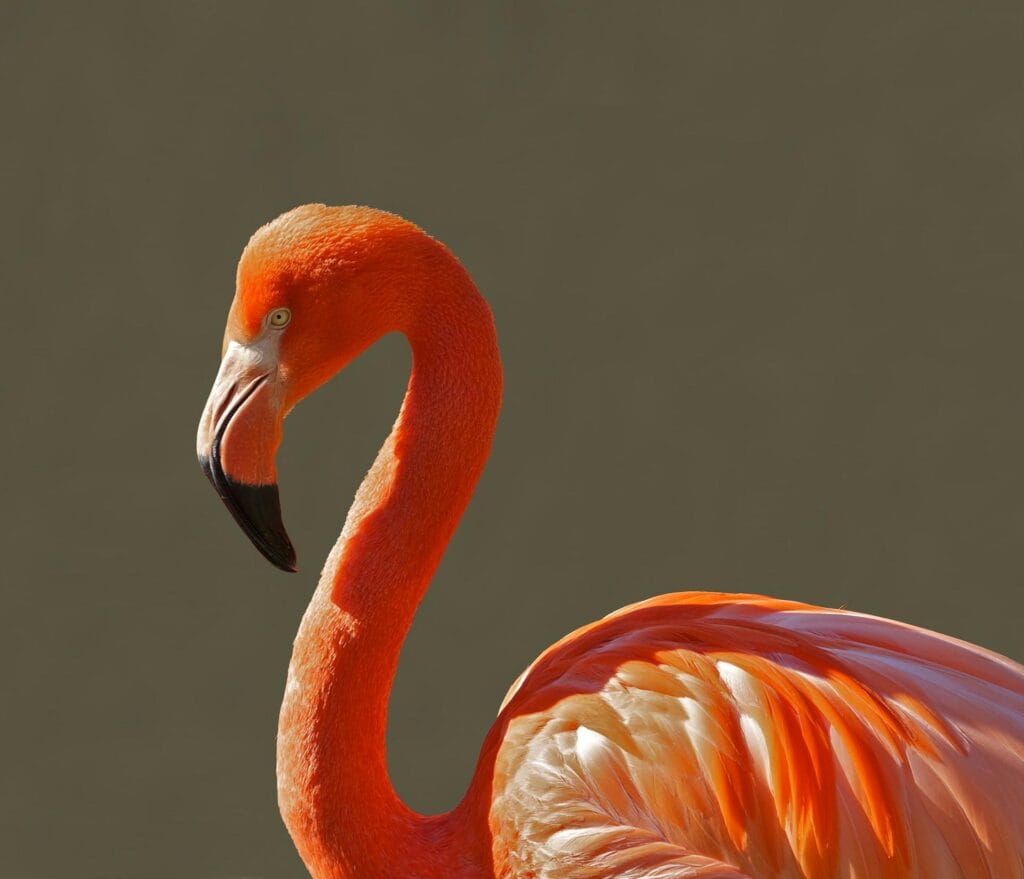
Flamingos are wading birds belonging to the family Phoenicopteridae. There are six species of flamingos, each with unique characteristics but sharing the iconic pink colouration that defines them. This pink hue comes from their diet, which is rich in carotenoid pigments found in algae and crustaceans. Flamingos are social birds, often seen in large colonies that can number in the thousands. Their long legs and necks are perfectly adapted for wading in shallow waters, where they feed on small organisms by filtering water through their specialized beaks.
Key Characteristics of Flamingos
- Colouration: The pink or reddish colour of flamingos is a result of their diet, particularly the ingestion of carotenoid pigments found in their food.
- Feeding: Flamingos are filter feeders, using their unique beaks to strain food from the water. They consume algae, crustaceans, and small invertebrates.
- Social Structure: Flamingos are highly social birds that form large, dense colonies. These colonies provide safety in numbers and facilitate breeding.
- Behaviour: Known for their graceful movements, flamingos often engage in synchronized behaviours, such as preening and flying in formation.
Flamingos at Lake Nakuru

One of the most awe-inspiring sights for bird enthusiasts and nature lovers is the congregation of flamingos at Lake Nakuru in Kenya. Lake Nakuru, located in the Great Rift Valley, is a shallow alkaline lake that provides an ideal habitat for flamingos. The lake’s high concentration of algae and crustaceans attracts millions of flamingos, creating a breathtaking spectacle of pink stretching as far as the eye can see.
Why Lake Nakuru is ideal for this glamorous birds
- Alkaline Waters: The alkaline nature of Lake Nakuru supports the growth of Spirulina algae, a primary food source for flamingos.
- Shallow Depths: The shallow waters allow flamingos to wade comfortably and access their food supply easily.
- Protected Environment: Lake Nakuru is part of the Lake Nakuru National Park, providing protection and conservation efforts for the flamingo population and other wildlife.
Seasonal Variations
The number of flamingos at Lake Nakuru can vary seasonally and annually, depending on the availability of food and water levels. During the rainy season, the water levels rise, diluting the alkalinity and causing some flamingos to migrate to other lakes in the Rift Valley. However, during the dry season, the lake’s concentration of algae increases, drawing large flocks of flamingos back to its shores.
Other Notable Places and Destinations to Spot Flamingos
While Lake Nakuru is a prime destination for flamingo watching, there are several other locations around the world where these stunning birds can be found in large numbers.
Amboseli: Flamingos have recently been seen in Amboseli National Park due to changes in their traditional habitats. Increased water levels in Rift Valley lakes have affected the growth of cyanobacteria, which flamingos feed on. Consequently, they’ve found suitable new water bodies in Amboseli. The sight of flamingos against Mount Kilimanjaro’s backdrop is stunning, adding a new layer of beauty to Amboseli’s lush landscape, especially after the rains.
Lake Bogoria, Kenya: Another prominent flamingo habitat in Kenya is Lake Bogoria, also located in the Great Rift Valley. The lake’s alkaline waters and hot springs create an environment rich in algae, attracting thousands of flamingos. Lake Bogoria is known for its dramatic landscapes, with geysers and hot springs adding to the visual appeal of the flamingo gatherings.
Lake Elementaita, Kenya: This lake, located between Naivasha and Nakuru, also sees a good number of flamingos.
Lake Natron, Tanzania: Situated near the border with Kenya, Lake Natron is famous for its extreme alkalinity and high temperatures. Despite these harsh conditions, it serves as an important breeding ground for the lesser flamingo. The lake’s vibrant red and orange hues, caused by the presence of certain bacteria and algae, create a surreal backdrop for the flamingos.
Lake Manyara: Known for its diverse birdlife, including flamingos, this lake in the Manyara National Park offers a picturesque setting for bird-watching.
Lake Eyasi: Another alkaline lake in the Great Rift Valley, it’s not as famous as Natron but also attracts flamingos
Etosha Pan, Namibia: During the rainy season, the Etosha Pan in Namibia transforms into a temporary wetland, attracting large flocks of flamingos. The pan’s shallow waters and abundant food supply make it a favourable habitat for both greater and lesser flamingos. This seasonal spectacle is a highlight for visitors to Etosha National Park.
Salar de Uyuni, Bolivia: The world’s largest salt flat, Salar de Uyuni, is home to three species of flamingos: the Chilean, Andean, and James’s flamingos. During the breeding season, these flamingos gather in the shallow, saline lakes of the region, creating a striking contrast against the stark white landscape of the salt flats.
Camargue, France: A marshy region near the Mediterranean where you can find greater flamingos.
Chilika Lake, India: A large brackish water lagoon that hosts flamingos, especially during the winter season.
Salar de Atacama, Chile: In the Atacama Desert, this salt flat is home to three species of flamingos.
Conservation Efforts
Flamingos face several threats, including habitat loss, pollution, and climate change. Efforts to conserve their habitats, such as the establishment of protected areas like Lake Nakuru National Park, are crucial for their survival. Additionally, ongoing research and monitoring help scientists understand flamingo populations and the factors affecting their health and numbers.
In conclusion, flamingos are magnificent creatures that captivate our hearts with their beauty and elegance. The sight of thousands of flamingos at Lake Nakuru and other notable locations is a testament to the wonders of nature and the importance of conservation efforts to protect these incredible birds and their habitats. Whether you’re a seasoned birdwatcher or a casual nature enthusiast, witnessing the flamingos in their natural habitats is an experience that will leave you in awe of the natural world.